Seamless Eavestrough & Gutter Installation in Airdrie
A new eavestrough system in Airdrie has to carry summer cloudbursts, take hail, and hold a trough full of ice through chinook thaws and hard refreezes. We form seamless aluminum gutters on site, size them to the roof, fasten them into solid wood and set the slope with a laser, so the water ends up where it should.
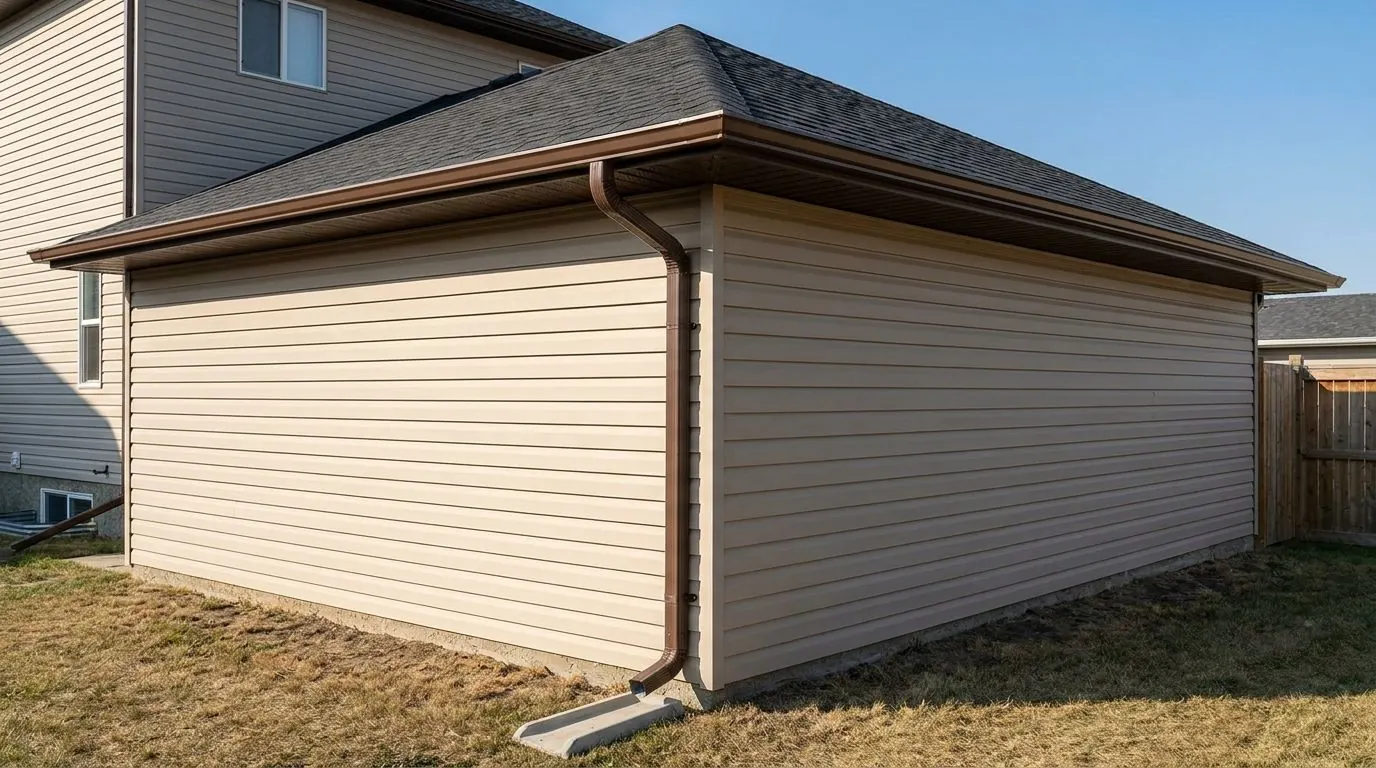
How These Systems Differ
Most eavestrough problems start at installation, not years later. Sectional gutters joined every ten feet leak at every joint once the sealant ages. A trough that is too small for the roof above it overflows at the first heavy rain. Spikes driven through the face work loose as the fascia board shrinks and swells, and a run with no real fall holds water that freezes solid in January. Each service in this section deals with one of those decisions.
The core of the section is seamless aluminum. We carry pre-painted coil to the house and run it through a portable roll-forming machine, producing one continuous length for each run of the roof. The only seams left are the mitred corners and the end caps. For most houses the right answer is 5-inch K-style trough with 2x3 downspouts. Larger or steeper roofs, long unbroken eaves, valleys that concentrate water into one spot and commercial buildings step up to 6-inch trough with 3x4 downspouts, which carries significantly more water.
The other three services are about how the trough is made, held and aimed. Copper, zinc and painted steel suit custom homes and heritage looks, and they need their own hangers, fasteners and soldering practices. Hidden hangers replace the old spike-and-ferrule method and are spaced closer together here than in milder climates. Pitch and slope work sets how much fall each run gets and where it splits, so water reaches the downspouts instead of sitting in the trough.
Seamless Eavestroughs Services
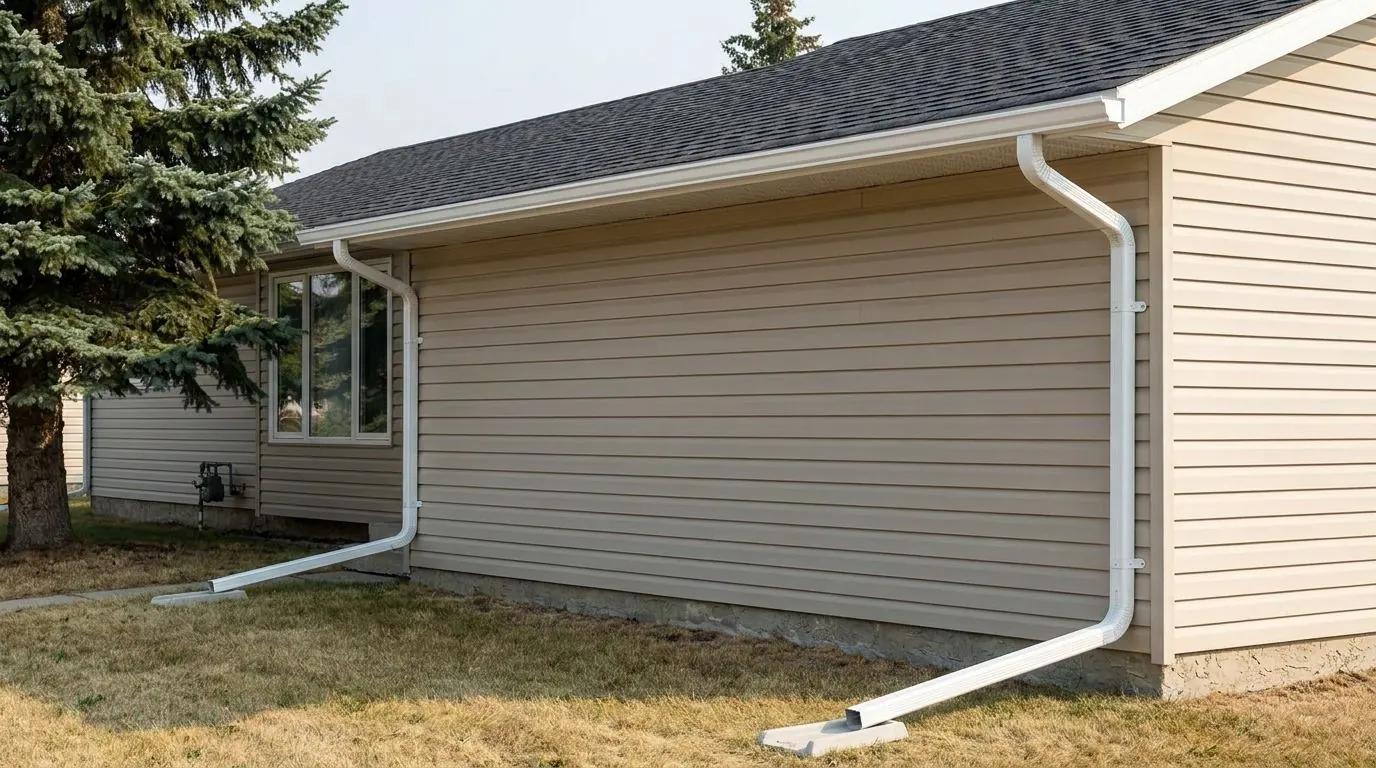
5-Inch Continuous Aluminum Eavestroughs
Continuous 5" K-style aluminum gutters formed on site in matched colours.
How it works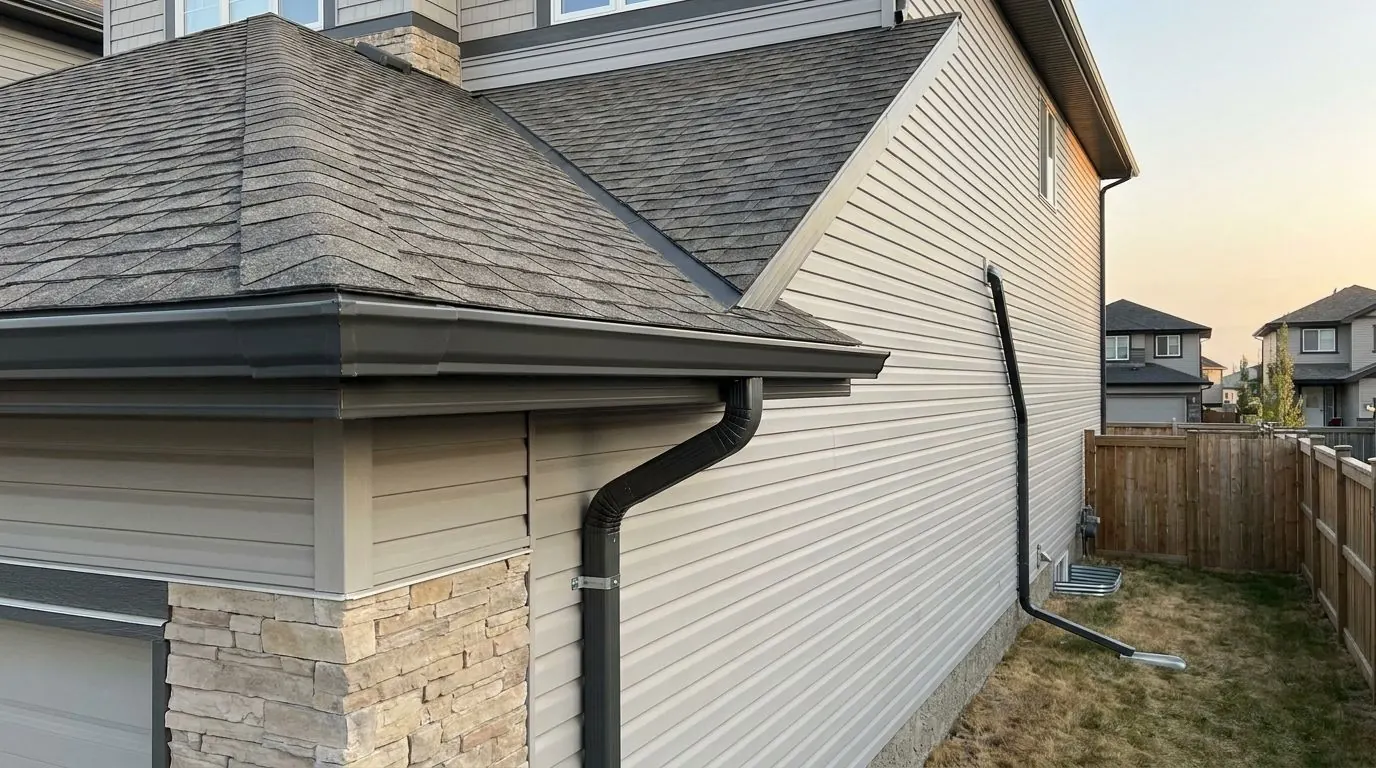
6-Inch High-Capacity Commercial & Residential Gutters
6" seamless gutters and 3x4 downspouts for big, steep or complex roofs.
How it works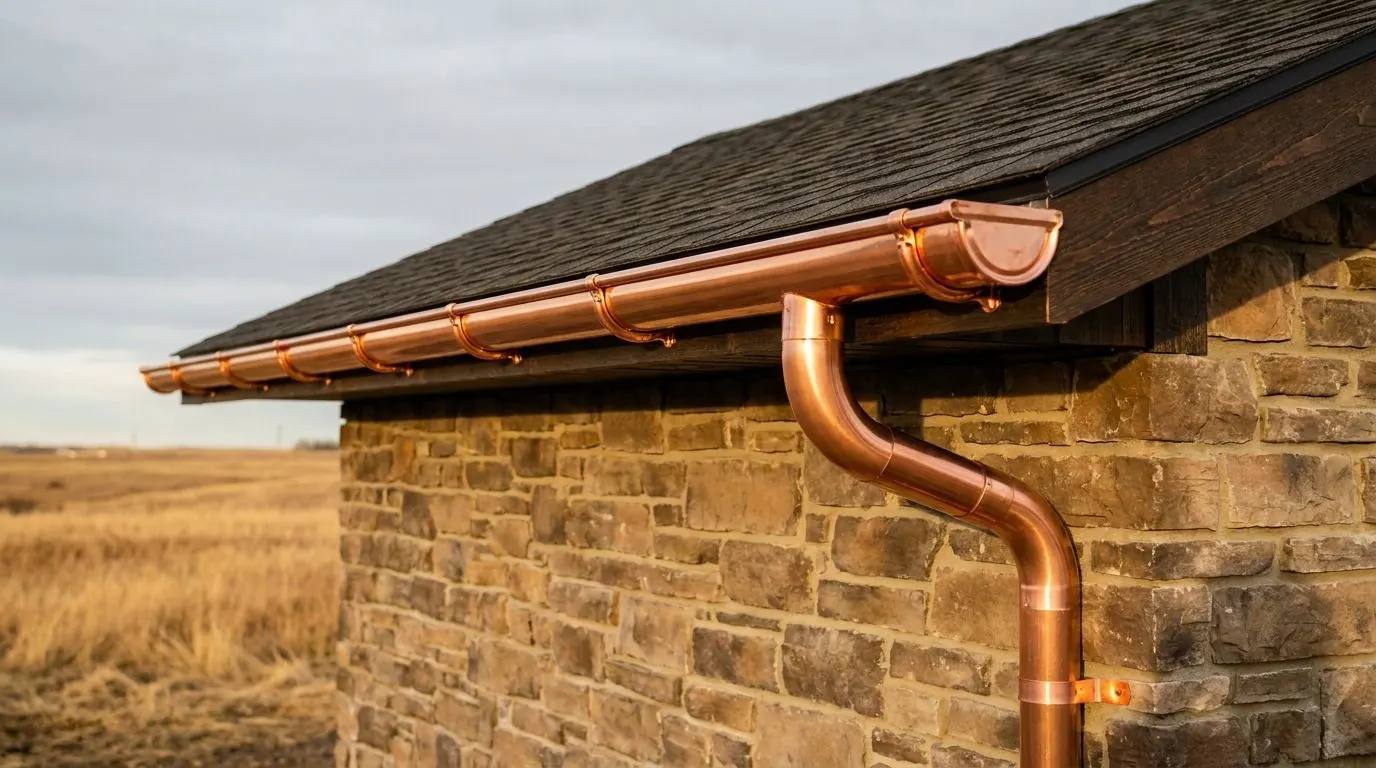
Custom Copper & Specialty Metal Gutters
Copper, zinc and painted steel gutters with soldered seams for custom homes.
How it works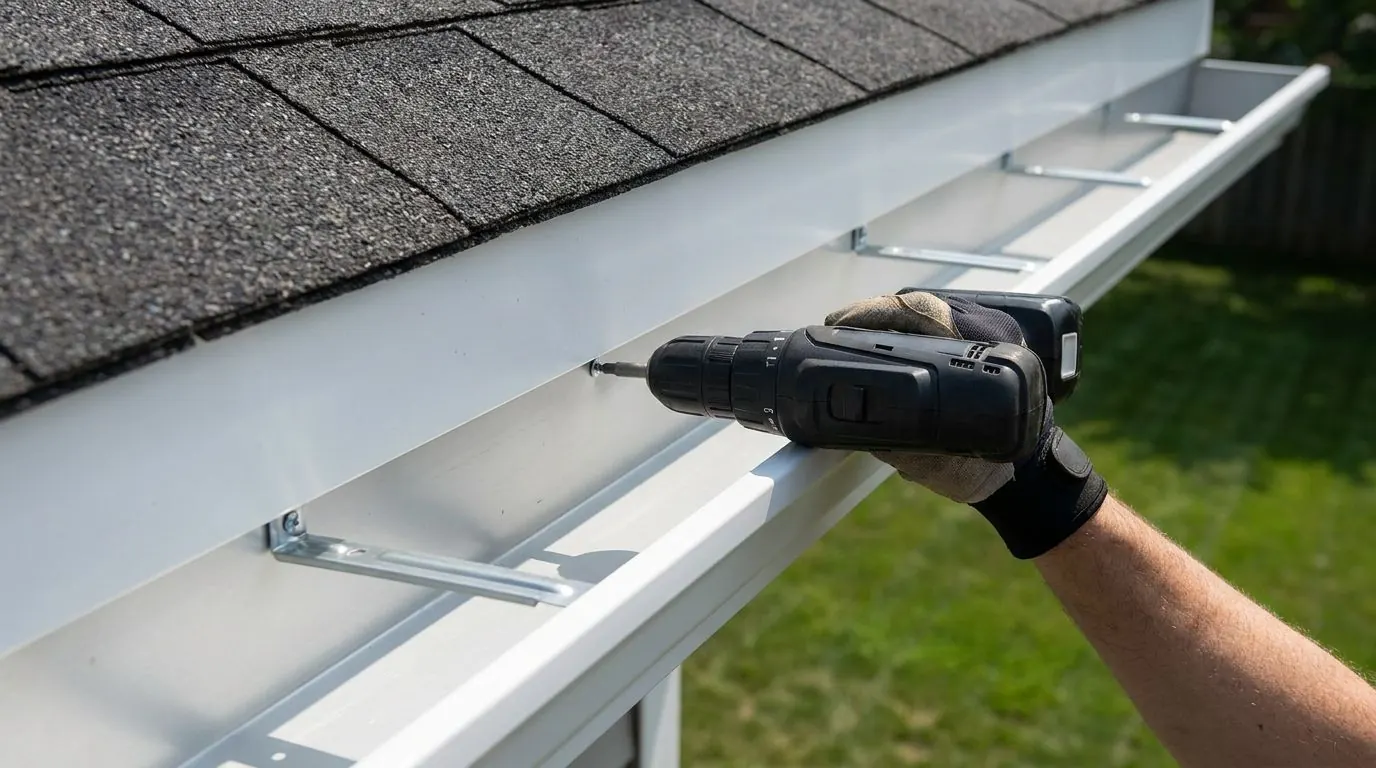
Heavy-Duty Hidden Hanger Fastening Systems
Hidden hangers 12–18" apart, screwed into solid wood to carry ice and snow.
How it works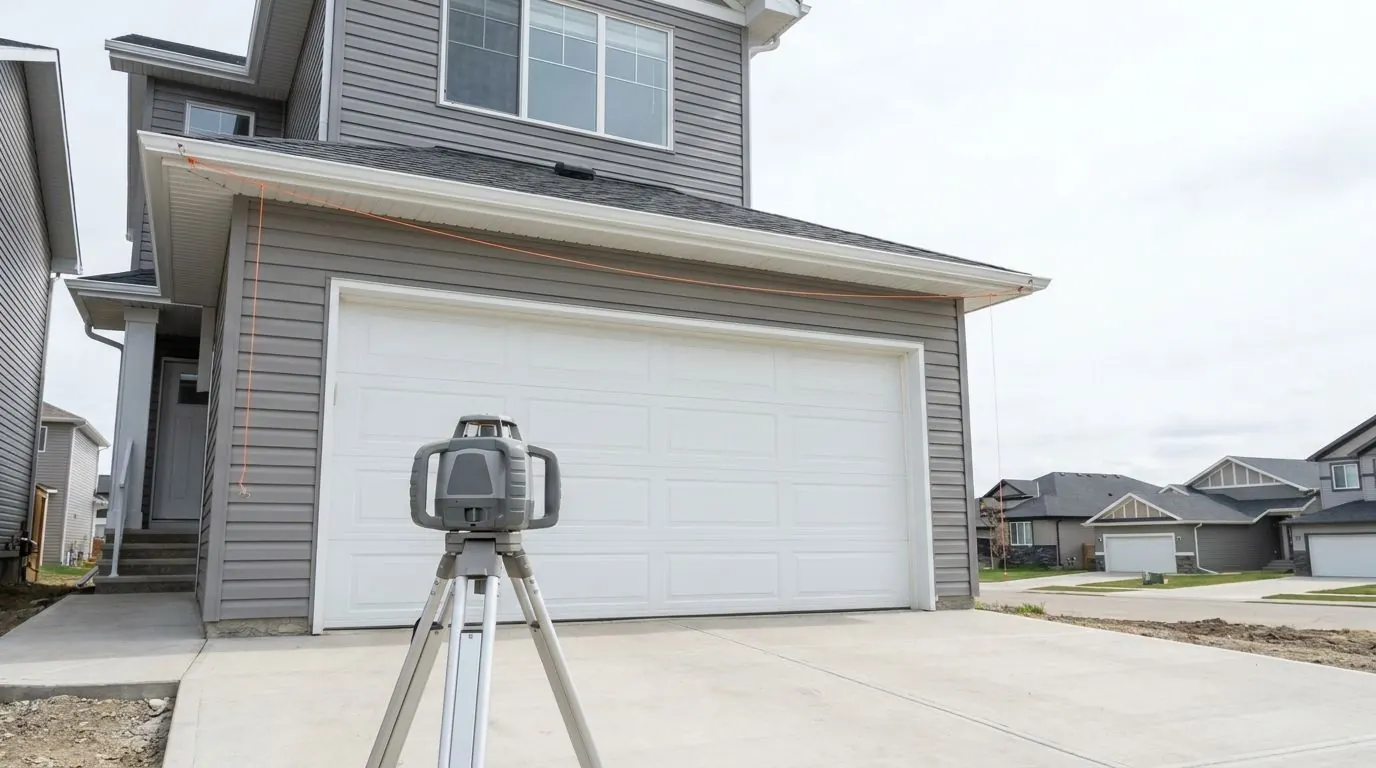
Custom Pitch & Slope Optimization
Laser-set fall, split pitch on long runs, no standing water in the trough.
How it worksChoosing Between Them
- Start with the roof, not the house
- Gutter size follows the roof area draining into each run, how steep that roof is, and whether valleys dump into one corner. A modest bungalow and a large two-storey with a steep front gable can sit on the same street and need different troughs.
- Pick the metal for the look and the site
- Pre-painted aluminum covers almost every Airdrie house and matches the fascia and soffit. Copper or zinc makes sense when the architecture calls for it and the owner wants a metal that weathers to a patina instead of holding a painted colour.
- Don't treat fastening as an afterthought
- A well-sized trough still fails if it pulls off the fascia under ice. If your current gutters are sagging or the spikes are backing out, hanger work belongs in the plan whether you replace the troughs or not.
- Fix standing water with slope, not sealant
- If water sits in the trough after rain, or icicles form mid-run rather than at the downspouts, the fall is wrong. Re-sealing the corners won't cure that; re-setting the slope will, and it usually means re-hanging the run.
Seamless Eavestroughs: Common Questions
Should I replace all my eavestroughs at once or only the bad sections?
Can new eavestroughs go on in winter?
What should I ask when comparing eavestrough quotes?
Other Eavestrough Services
Talk to Us About Seamless Eavestroughs
Tell us about the house or building and what the water is doing. We will recommend the system that fits, including when a simpler one will do.